
Every trail and river
All the pages in the guide, element by element.
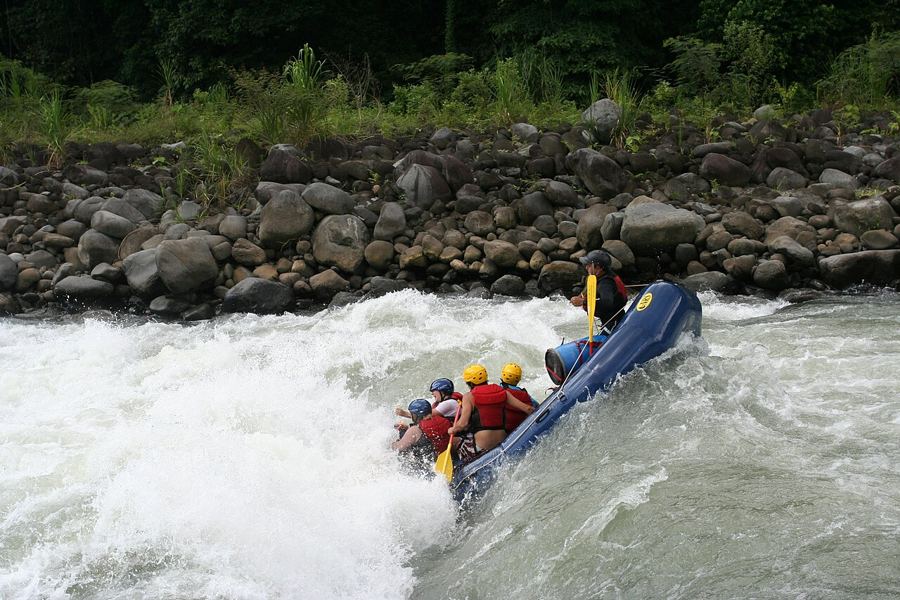 Rafting the Pacuare River gorgeSteep green walls, side waterfalls and long sequences of Class III and IV rapids: the Pacuare rewards respect, good guides and a clear idea of the risks.
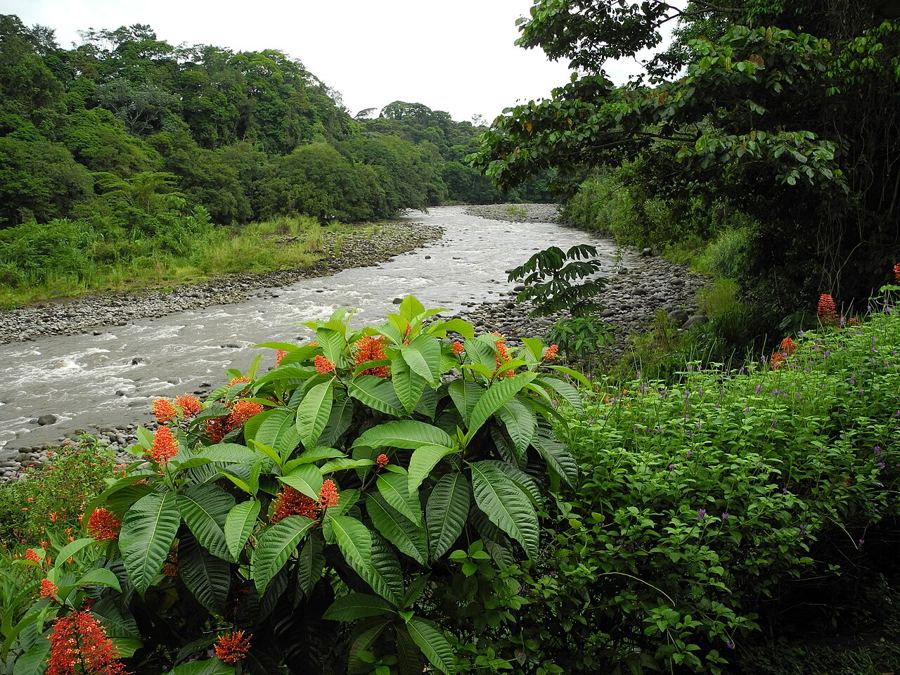 Sarapiquí: rivers and lowland forestNorth of the mountains, the Sarapiquí runs warm and brown through lowland rainforest, with gentler rapids, a famous research station and some of the country's best birding.
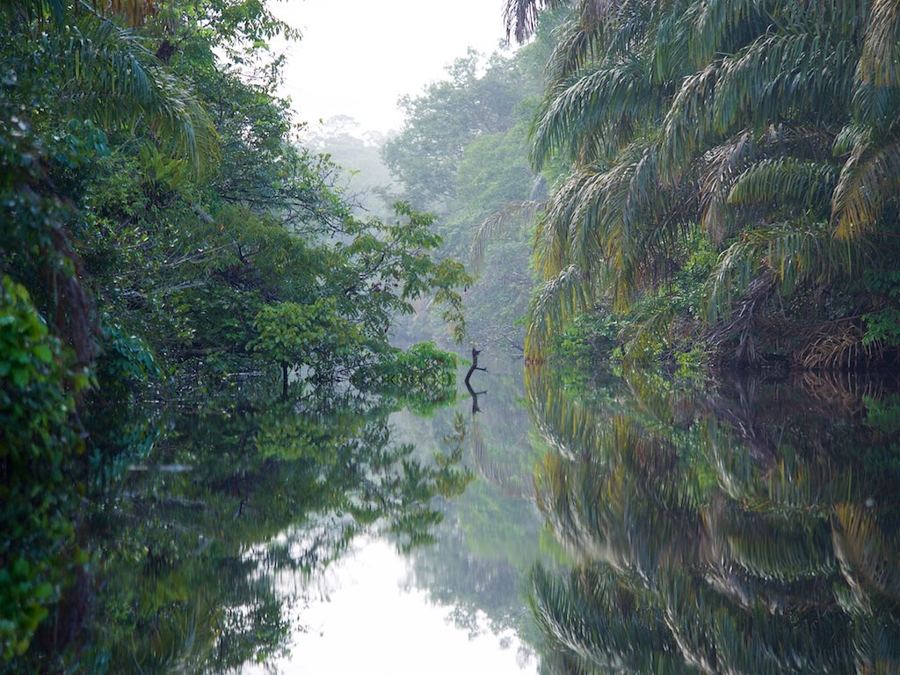 Tortuguero's canals and nesting turtlesA village on a sandbar with no road in, a maze of quiet canals, and a black-sand beach where green turtles come ashore to nest on summer nights.
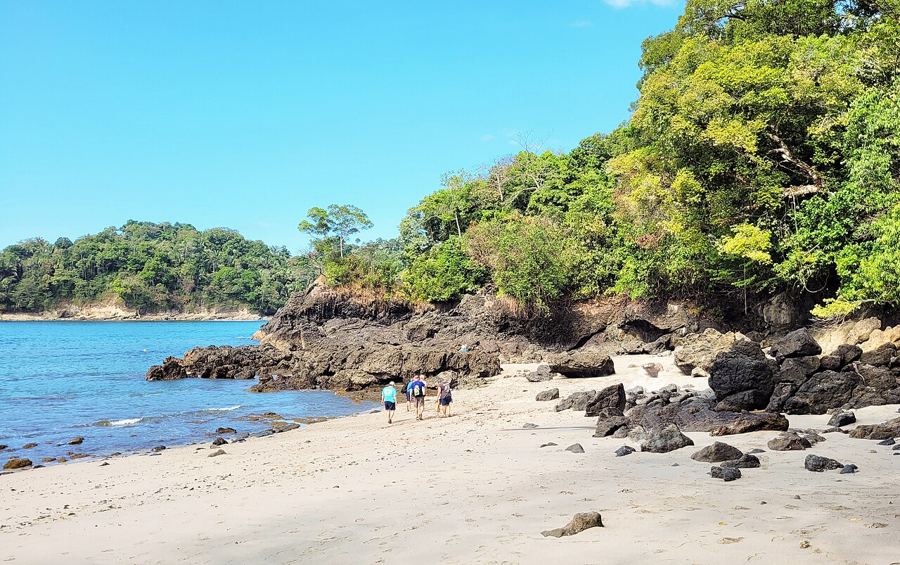 Manuel Antonio: beaches inside a rainforest parkWhite-sand coves backed by forest, monkeys overhead and sloths in the trees: Manuel Antonio packs a lot into a small park, so timing and patience make all the difference.
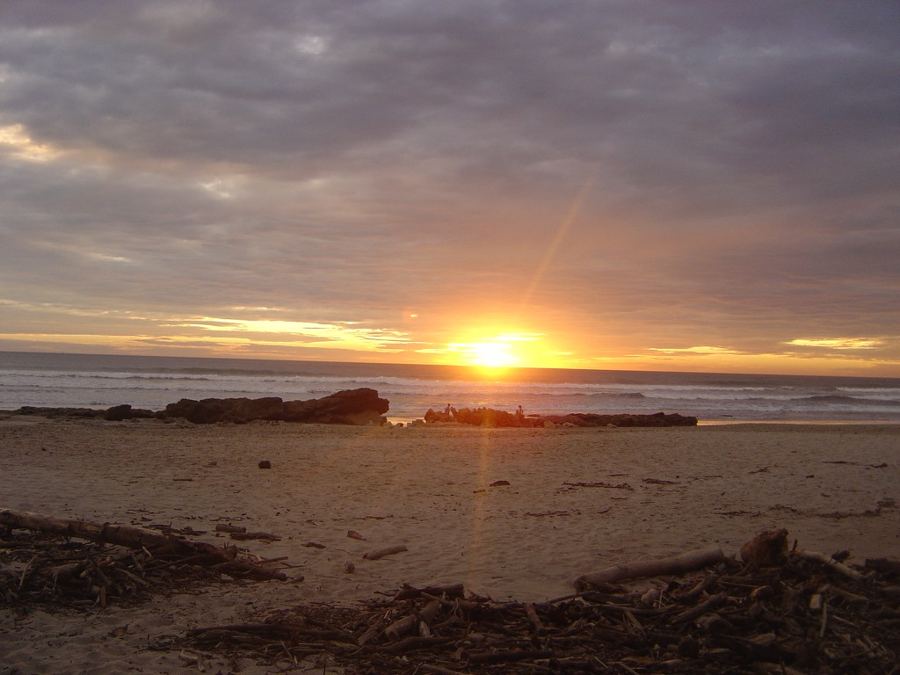 Surfing the Nicoya peninsulaWarm water, long beach breaks and consistent Pacific swell: the Nicoya peninsula draws surfers year-round, and rewards those who read the ocean and respect the lineup.
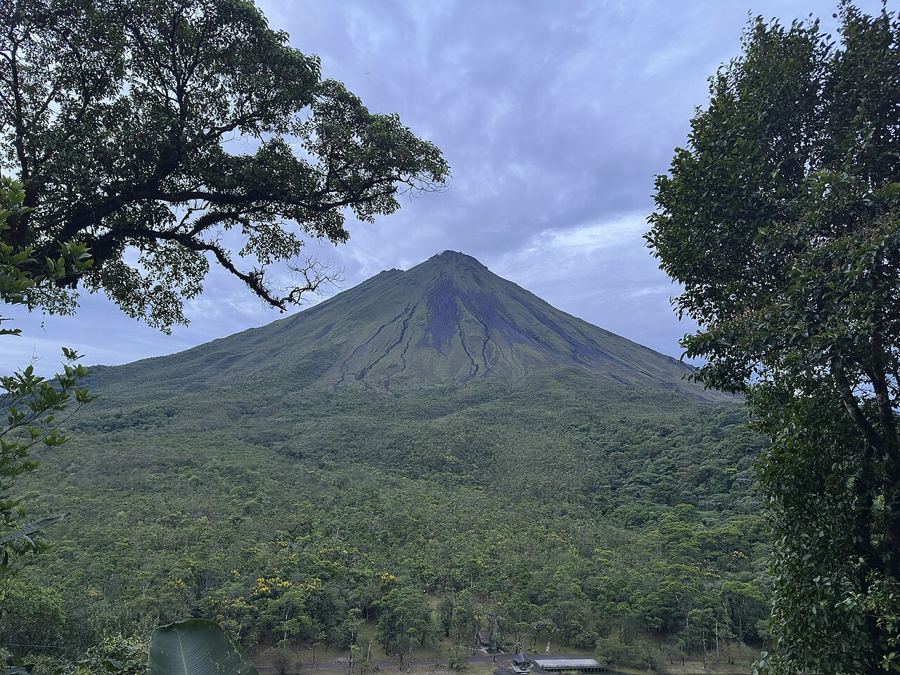 Arenal: a sleeping cone above a windy lakeThe volcano that erupted in 1968 and kept going for four decades is quiet now. What remains is lava-flow forest, a long reservoir and rivers warmed from below.
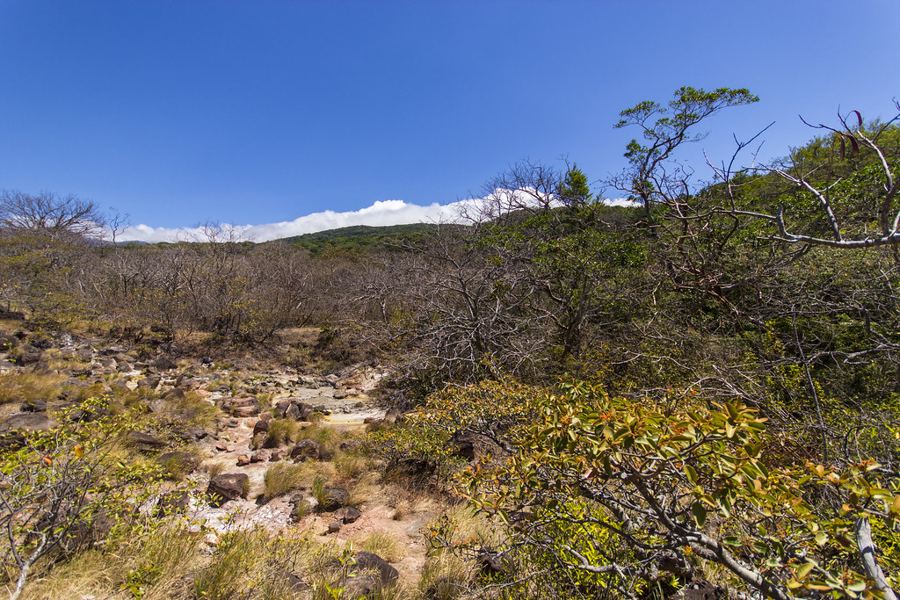 Rincón de la Vieja, where the ground boilsNear Liberia, a restless volcano heats mud pots and steam vents under a forest that drops its leaves each dry season. The crater is off-limits; the trails below are not.
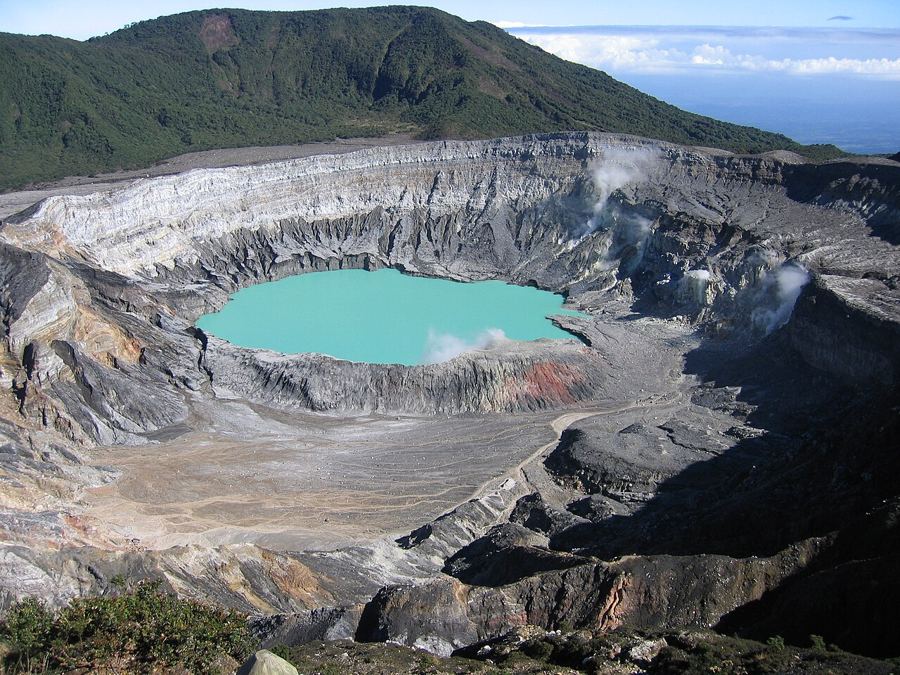 Poás and Irazú: crater rims before the cloudsTwo active volcanoes rise above the Central Valley, close enough for a morning trip. Plan for timed entry, cold wind, sudden closures and clouds that roll in early.
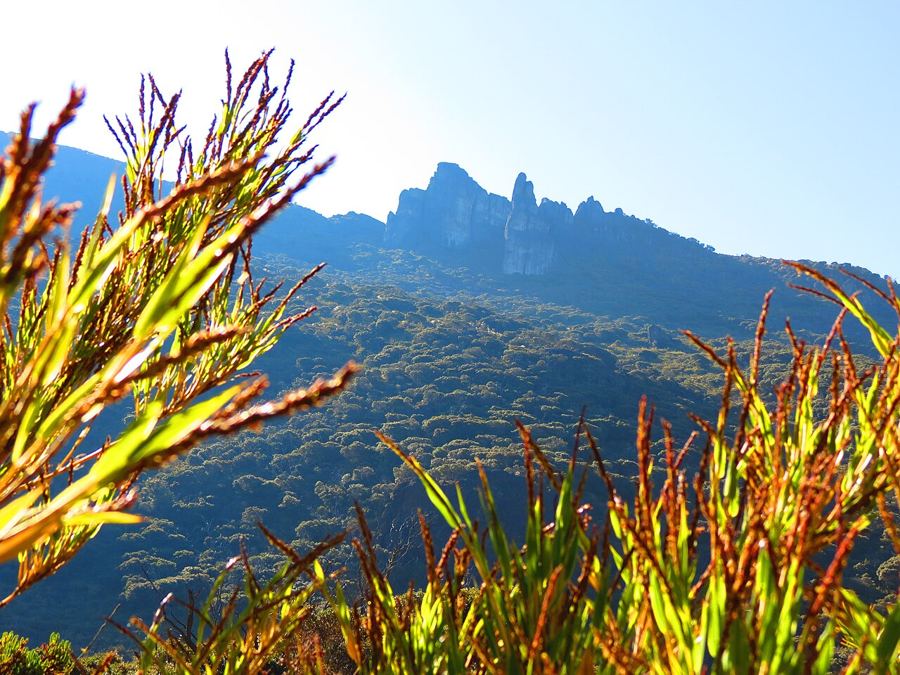 Chirripó: two days to the roof of Costa RicaA long, steep trail climbs from coffee farms to cold, open páramo and glacial lakes. Plan the permit, respect the cold and leave the base camp before dawn for the summit.
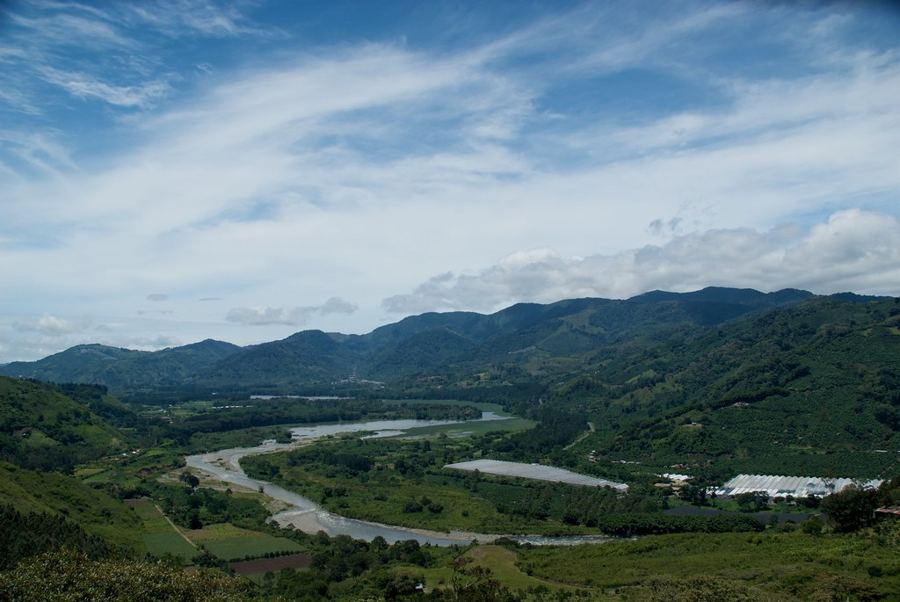 Orosi: coffee slopes, old churches and TapantíEast of Cartago, a deep green valley holds coffee farms, a colonial church still in use, ruins by a reservoir and the soaked mountain forest of Tapantí.
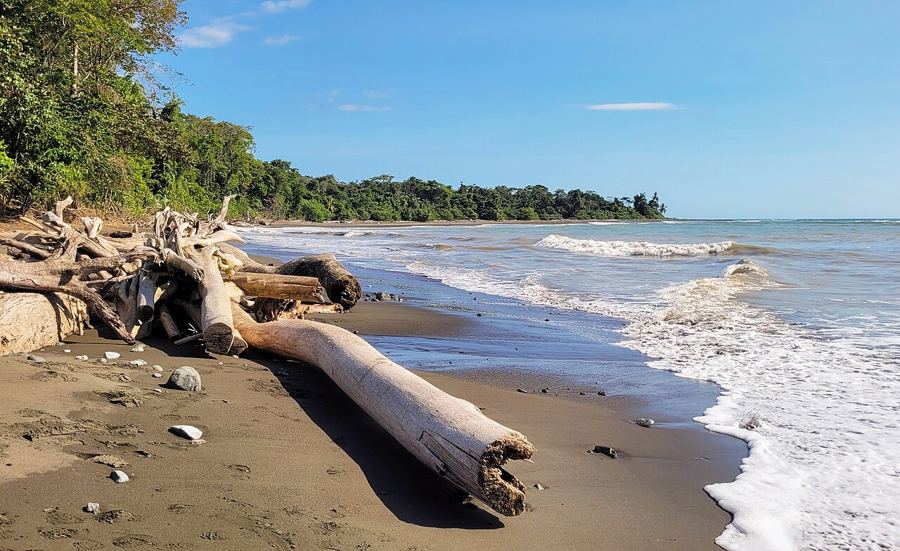 Corcovado and the Osa PeninsulaThe Osa holds the wildest lowland rainforest on the Pacific side of Central America. Getting into its heart takes guides, planning and respect for tides, rivers and heat.
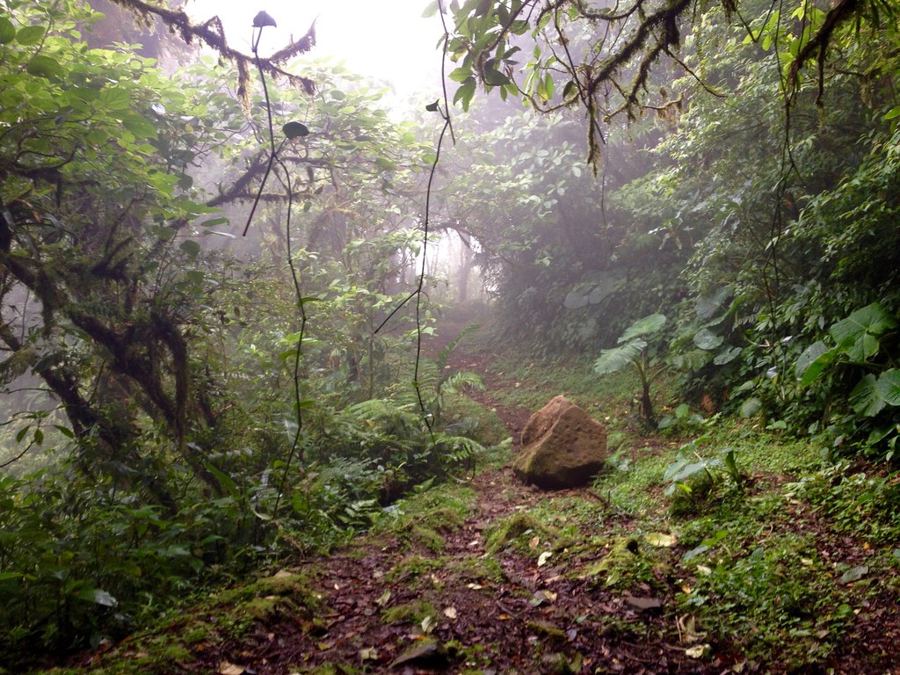 Monteverde's cloud forestOn the continental divide, wind pushes cloud through a forest dripping with moss and orchids. Monteverde rewards slow walking, early starts and a warm layer in the pack.
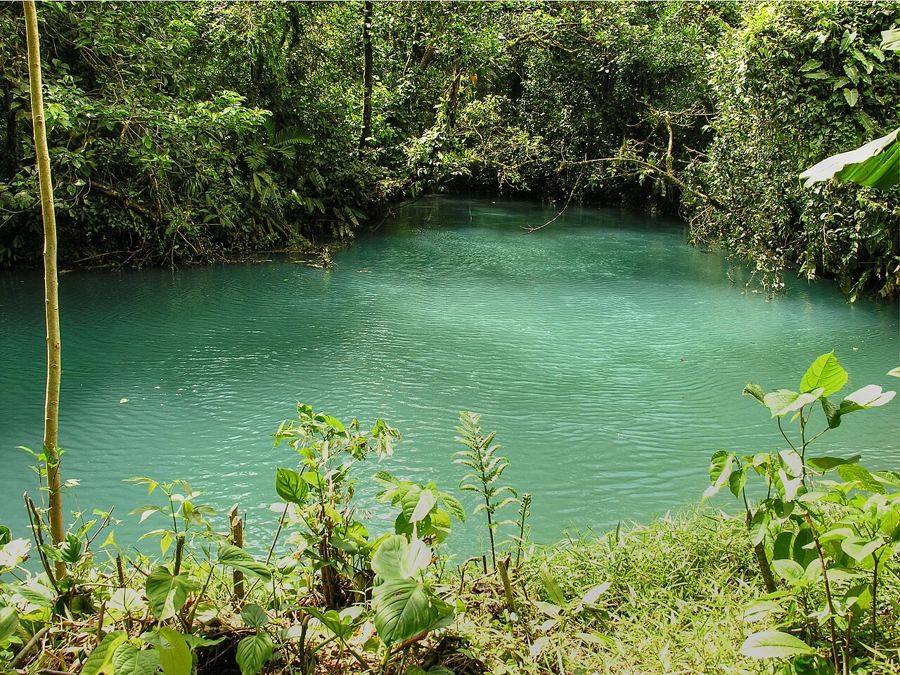 Río Celeste and Tenorio VolcanoTwo clear streams meet in the forest below Tenorio Volcano and the river turns a startling sky-blue. Getting there means mud, stairs and a little patience with the weather.
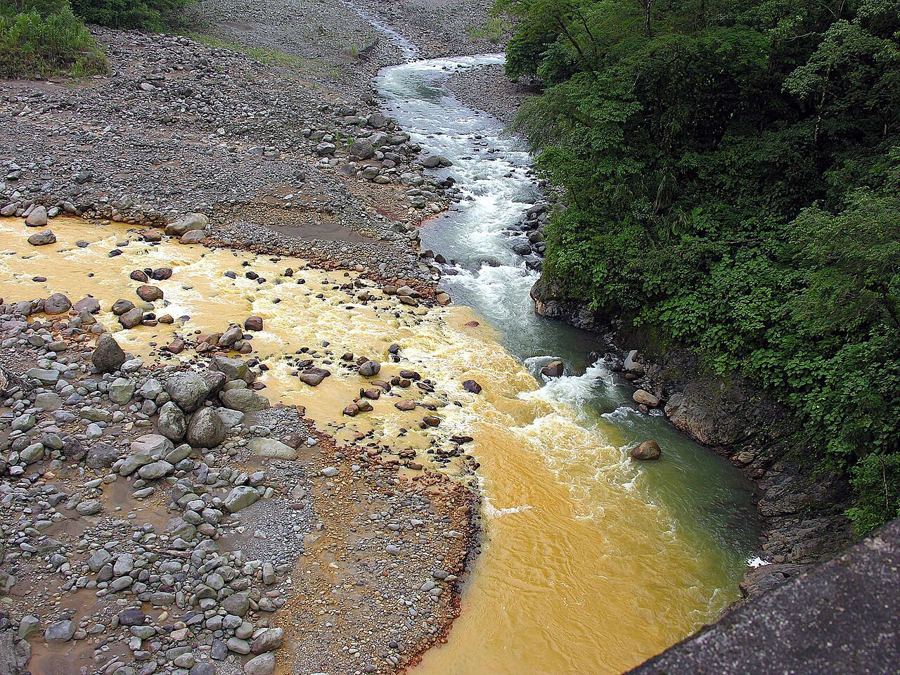 Braulio Carrillo, rainforest beside the highwayLess than an hour from San José, the highway to the Caribbean drops through steep, rain-soaked forest. A few hours on the trails here show what most travellers drive past.
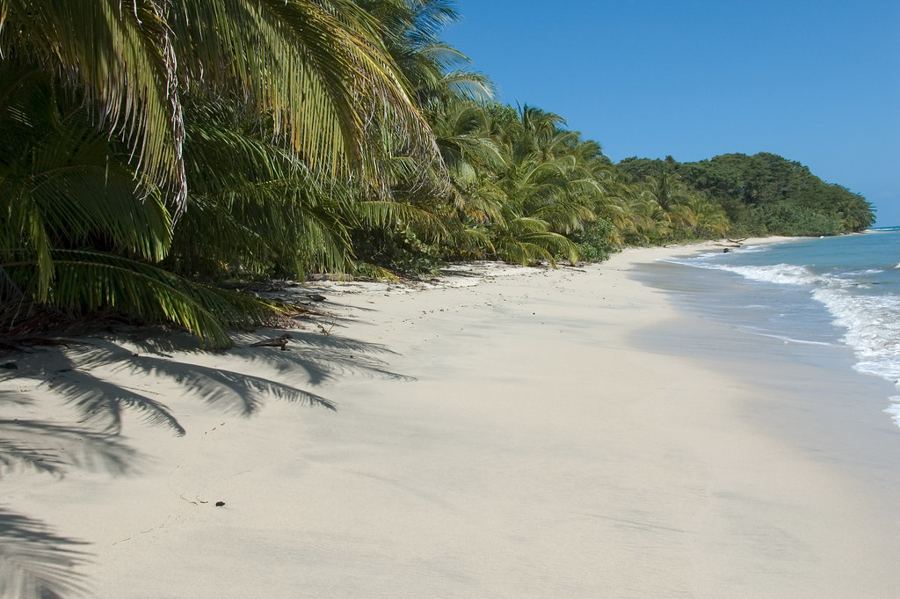 Cahuita and the southern CaribbeanCoconut palms, coral reef, a jungle trail along the sea and a coast with its own language, food and music. The southern Caribbean asks you to slow down and listen.
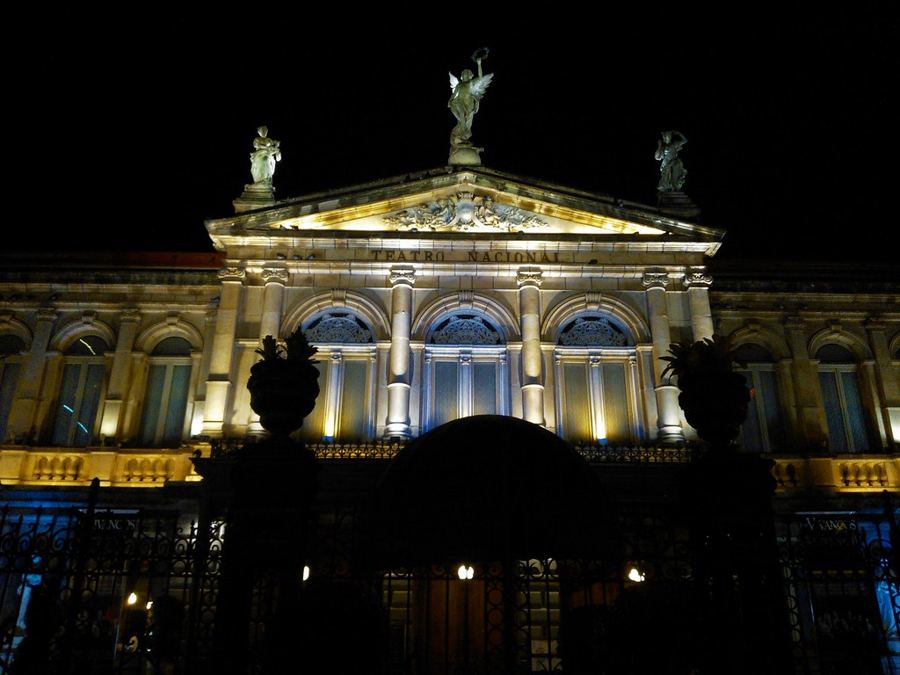 San José, the city before the mountainsMost trips pass through the capital. Give it a day for gold, jade, a theatre built on coffee and a market full of food, then use its buses and roads to head out.
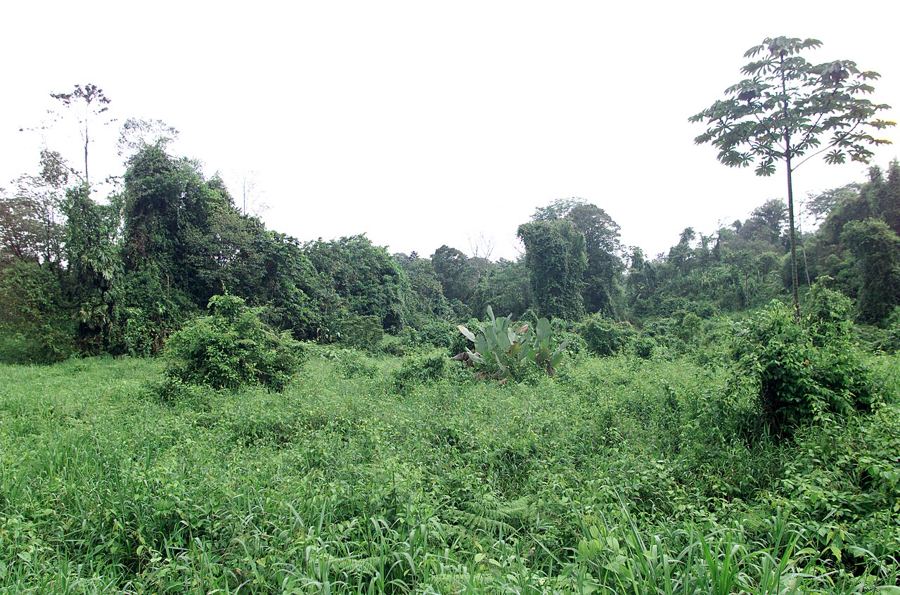 Green season, dry season: reading the rainCosta Rica has two seasons on paper and several in practice. The Pacific, the Caribbean and the mountains follow different calendars, and each month has something going for it.
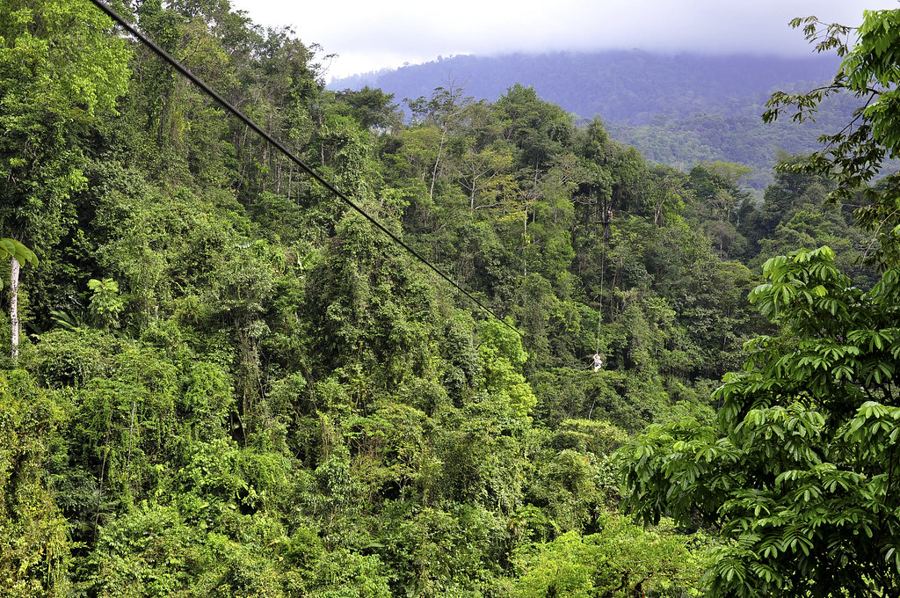 Canopy, cables and bridges: getting into the treetopsZip lines are everywhere in Costa Rica. A few plain questions help you judge safety, and hanging bridges and towers offer a slower way up for anyone who wants to see birds.
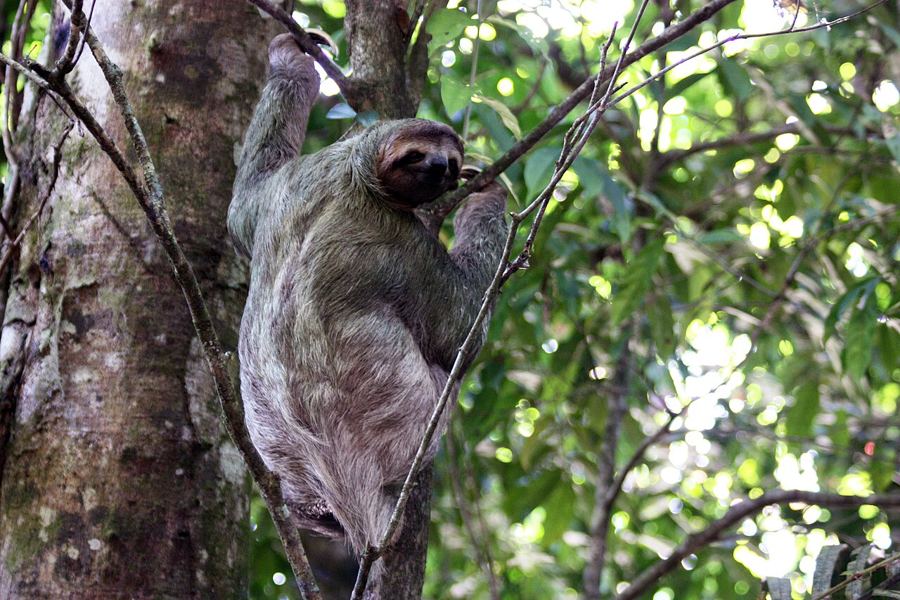 Watching wildlife without harming itMonkeys, sloths, turtles and frogs are easy to see in Costa Rica and easy to harm. A few firm rules keep animals wild and you safe: no feeding, distance, no handling and dim light.
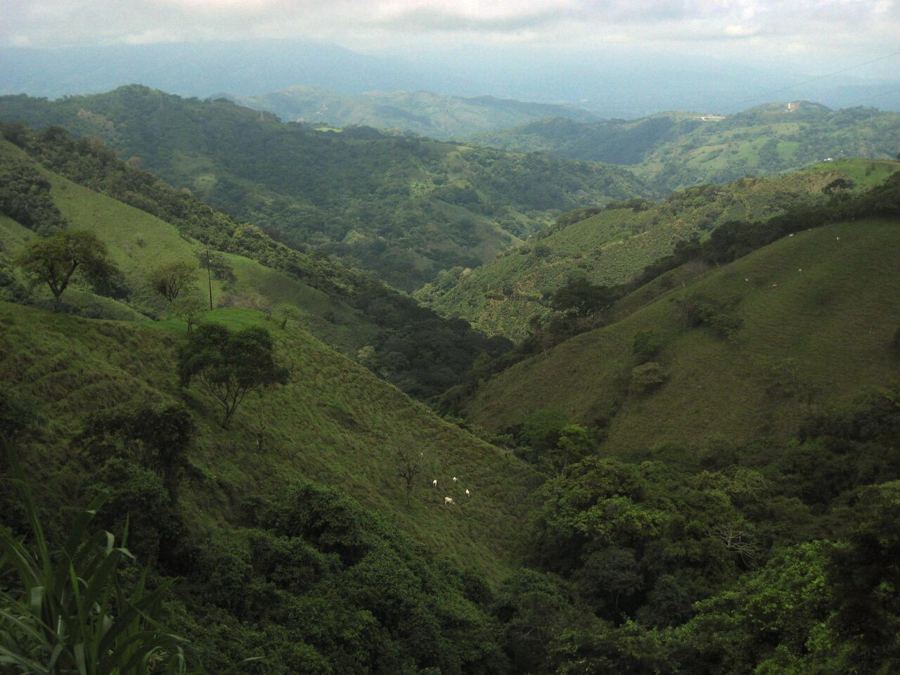 Roads, rivers and buses: getting aroundDistances look short on a map and take longer on the ground. Mountain roads, landslides, fords and slow buses all shape a trip, and a few habits keep you safe.