
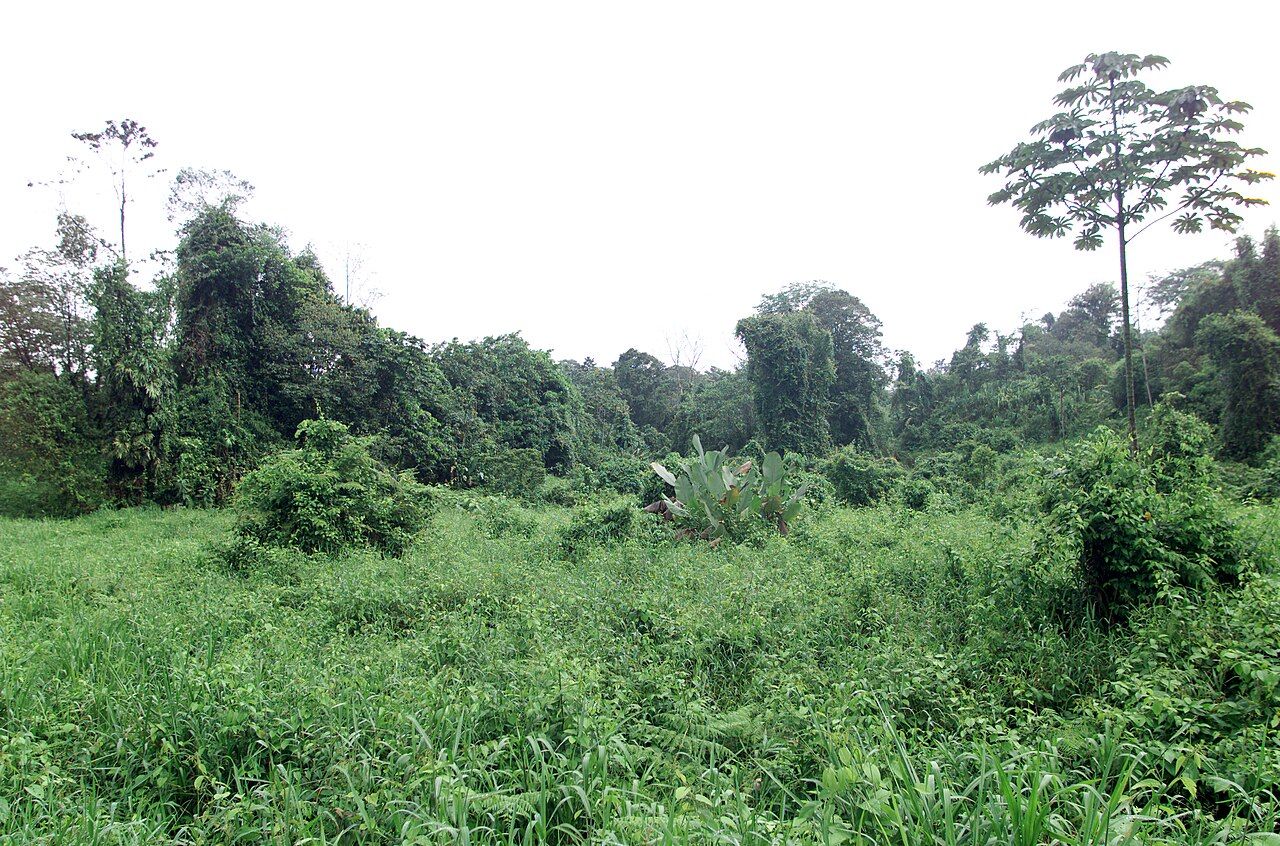
Costa Rica has two seasons on paper: a dry season, called summer locally, and a rainy season that tourism calls the green season and locals call winter. In practice the country is small but its mountains split the weather, so the Pacific, the Caribbean and the high ground each keep their own calendar. Understanding that is the key to planning almost any trip here.
The Pacific side and the Central Valley
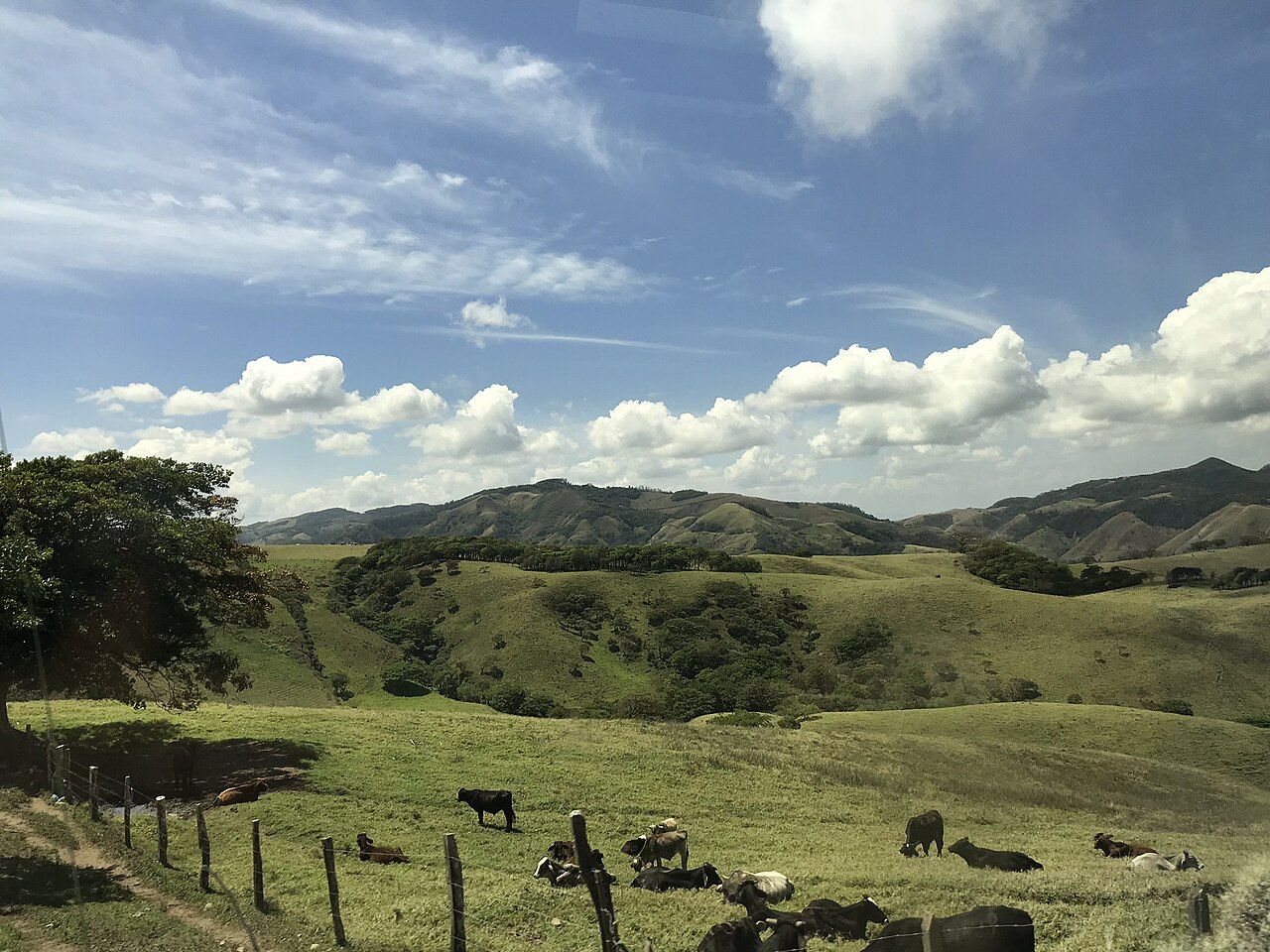
On the Pacific slope and in the Central Valley the pattern is clear. The dry season runs roughly from December to April, with sunny days, dry trails and, in the northwest, brown hills and dusty roads. Guanacaste is the driest region of all. The green season runs roughly from May to November.
Green season rarely means rain all day. More often mornings are bright and clouds build after midday into heavy, short storms in the afternoon or evening. Many years bring a drier spell in July or so, known locally as the veranillo, or little summer. September and October are usually the wettest months, especially in the south Pacific and on the Osa, where some trails and roads become hard going and some businesses close for a while.
The Caribbean and the north
The Caribbean coast does not follow the Pacific script. Rain can fall in any month, often as long showers that do not care about the afternoon. Many people find September and October among the better months there, exactly when the Pacific is at its wettest, and there are often drier stretches early in the year too. Then again, a wet week can come at any time.
That makes the Caribbean a good counterweight. If the Pacific is soaked, Cahuita and the southern Caribbean or the canals of Tortuguero may be drier, and the reverse holds in the early months of the year. A useful habit is to think in regions rather than months: ask where dry weather is likely in the weeks you have, and shape the route around it. The northern lowlands and the area around Arenal sit in between, wet for much of the year with a relatively drier window from about February to April.
The mountains
Altitude adds its own layer. In the cloud forests, mist and wind-driven drizzle are part of most days, and in the dry season strong trade winds can blow over the ridges for weeks. The high peaks are clearest in the dry months, which is when nights there turn coldest; frost is normal on the summit trail described in Climbing Chirripó. In the green season, cloud tends to swallow volcano craters and summits by mid-morning.
Temperature follows height more than season. The lowlands stay hot and humid all year, the Central Valley is mild, and above about 2,500 metres nights can be cold in any month. Pack for the highest place on your route, not the average.
A wildlife and water calendar
Wildlife does not take a holiday in any season, but some events have their months. Green turtles nest on the northern Caribbean coast in roughly the middle of the year into the autumn, with the peak often around July to September; the details are in Tortuguero's canals and nesting turtles. Several turtle species nest on Pacific beaches mostly in the rainy months.
Humpback whales visit the south Pacific from both hemispheres, so sightings are possible across a long part of the year, with stronger chances in the middle months and again around the turn of the year. Migrant birds from the north arrive from about October and stay until spring. In the green season, frogs are at their loudest and the forest is at its fullest.
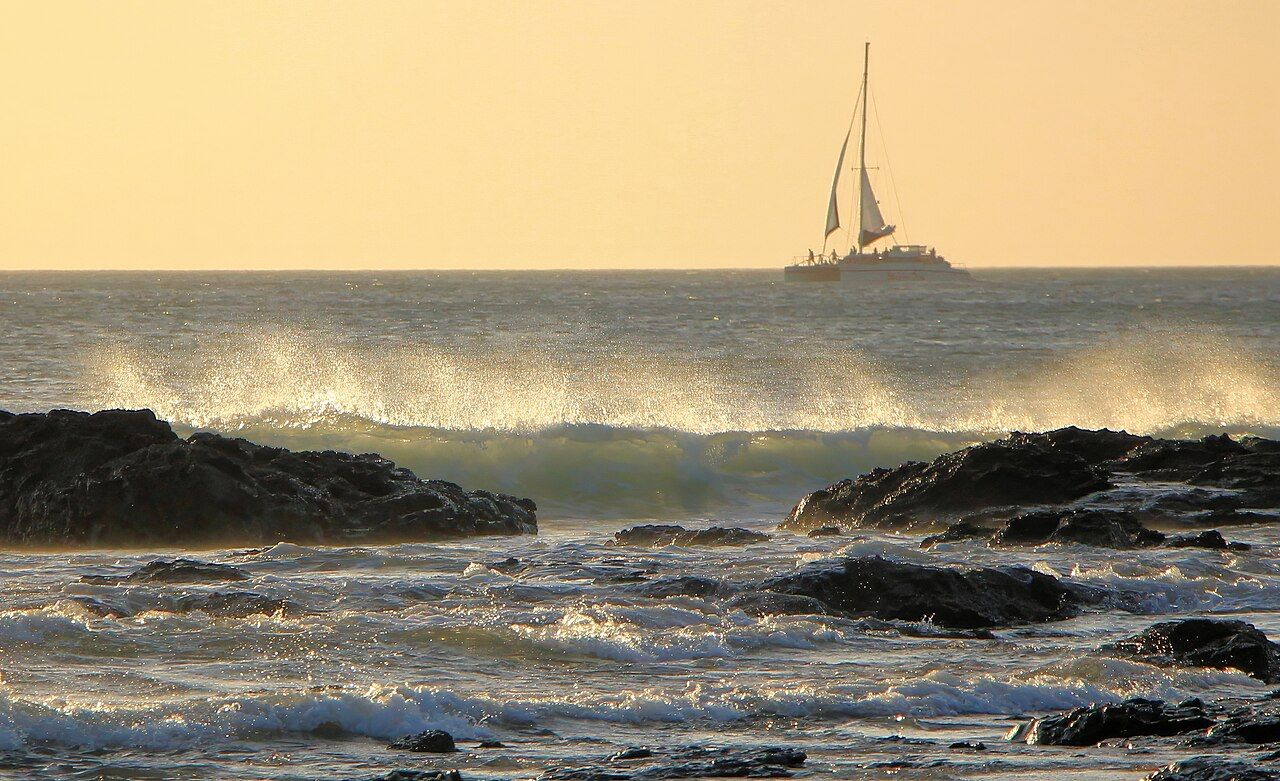
Surfers note that the Pacific tends to get bigger, more consistent swell in the green season, while the dry months bring smaller waves and offshore winds in the mornings. Rivers for rafting run higher and harder in the wet months and can be too high to run at all after big storms. Neither surf nor rapids should be judged from the season alone; ask on the day.
Crowds, costs and holidays
The dry season is the busy season, and the two weeks around Christmas and New Year and the Easter week, Semana Santa, are the busiest of all. Costa Rican families head for the beaches then, buses fill up, and popular parks may reach their visitor limits. School holidays in the middle of the year bring a smaller rush.
In general, the green months bring fewer people and lower rates, and the dry season and holidays bring the opposite. That is a pattern rather than a rule, so compare.
Some parks set daily visitor limits, and on the busiest days those limits are reached early. Reserving entry where it is offered, and arriving at opening, matters most in the holiday weeks.
Packing and planning for rain
Whatever the month, pack a light rain shell, quick-drying clothes and a dry bag for phones and cameras. Cotton never dries in the humid lowlands, and shoes that can get wet and dry quickly often serve better there than heavy boots. In the green season, build slack into the schedule: a road can close after a landslide, a river can rise overnight, and a planned hike may wait a day. Unpaved roads turn to mud, so the advice in driving and buses matters more.
The best season is often simply the one you have. Clear skies make crater views and summit sunrises easier; rain makes waterfalls roar and forests come alive. Plan the morning for the big things, keep the afternoon loose, and listen to people who live there about what the sky is doing today.