
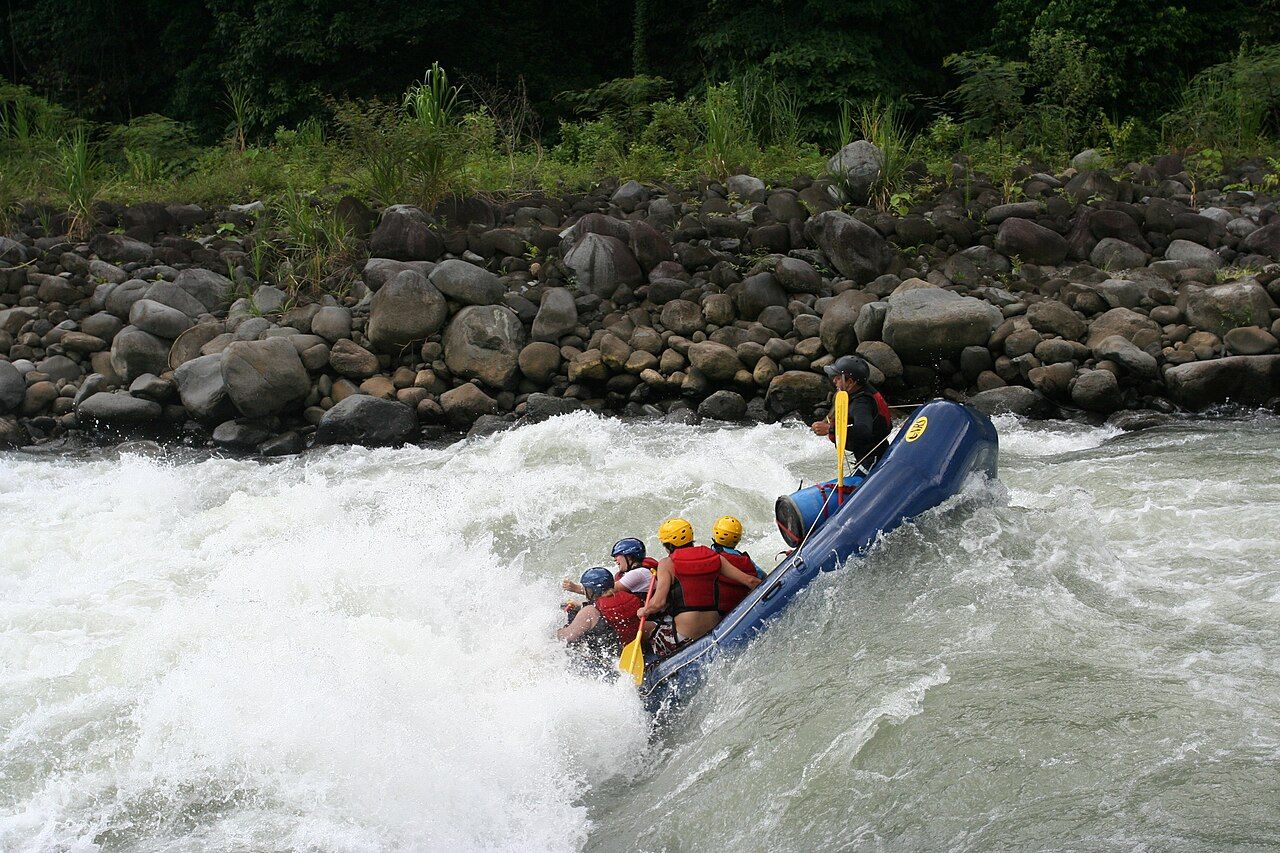
A river that cuts through the mountains
The Pacuare starts high in the Talamanca range and drops toward the Caribbean lowlands through one of the deepest, greenest gorges in Central America. For most of the stretch that rafters run, there is no road beside the water. The walls rise steeply on both sides, side streams fall in as waterfalls, and the forest comes right down to the rocks. That isolation is the whole point. Once you push off, the river is the only way out.
Most day trips run the lower river, a stretch of roughly 25 to 30 kilometres that takes the better part of a day with a stop for lunch on a gravel bar. Trips usually start from the Turrialba area or with an early pickup in San José, two to three hours away by road. The last part of the drive is often on rough dirt tracks down to the put-in, and the take-out lies toward the lowlands near Siquirres. Upper sections exist and are harder, more committing and much less often run.
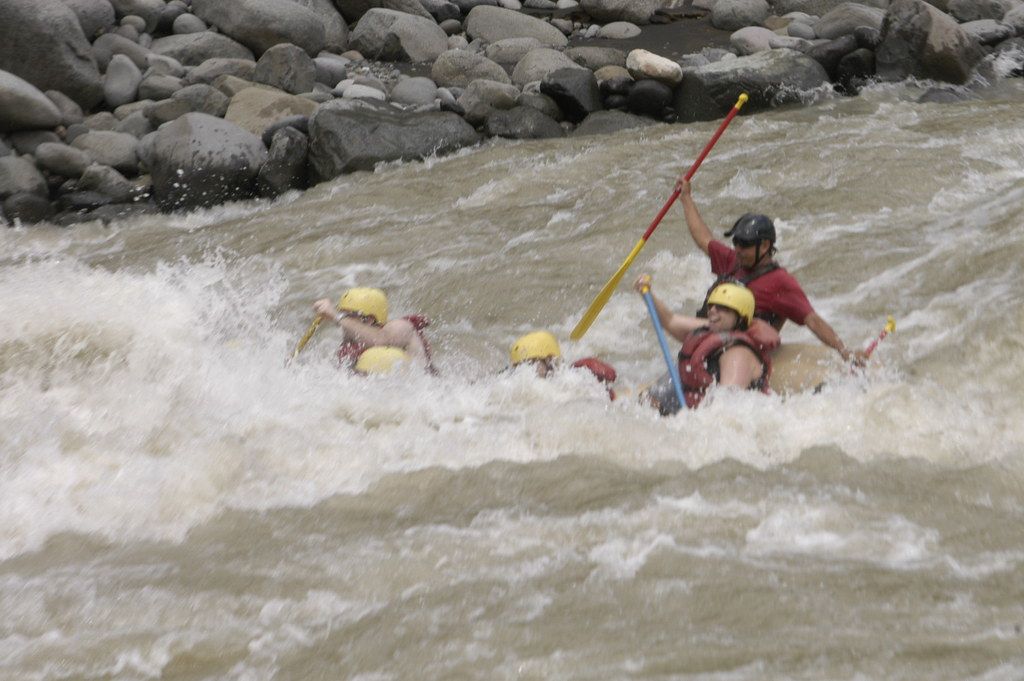
The water is mild year-round, so cold is rarely the issue. Heat, sun and the force of the current are.
What Class III and IV actually mean
Whitewater is graded on an international six-step scale. The lower Pacuare is mostly Class III with a number of Class IV rapids, and the grade shifts with the water level.
Class III means irregular waves, holes and fast water that demand manoeuvring. You paddle hard on command, the raft bucks, and a swim is uncomfortable but usually short. Class IV means powerful, long rapids with obstacles that must be avoided, where a swimmer can be held under or carried a long way before rescue. On the Pacuare, the hardest rapids tend to come in quick sequences where the gorge narrows.
Levels change fast. After a night of heavy rain in the mountains, the river can rise sharply and turn brown and pushy; after a dry spell, rocks show and the rapids become technical. Responsible trips are cancelled or changed when the river is too high. Treat that as a good sign, not an inconvenience.
- You need to be comfortable in moving water in a life jacket, and able to swim.
- Minimum ages and fitness rules vary between trips; ask before you commit.
- Tell the guide about heart conditions, recent injuries, pregnancy or anything that affects breathing.
Inside the gorge
Between rapids the river slows into long green pools, and this is when you notice where you are. Waterfalls drop down the walls, some just a few metres, some much taller, and rafts sometimes pull in so you can stand under the spray. Tree ferns, heliconias and strangler figs crowd the banks. Blue morpho butterflies cross the water in flashes. Toucans call from the canopy, kingfishers and herons work the edges, and with luck you may see a sloth high in a cecropia tree or a river otter slipping between rocks.
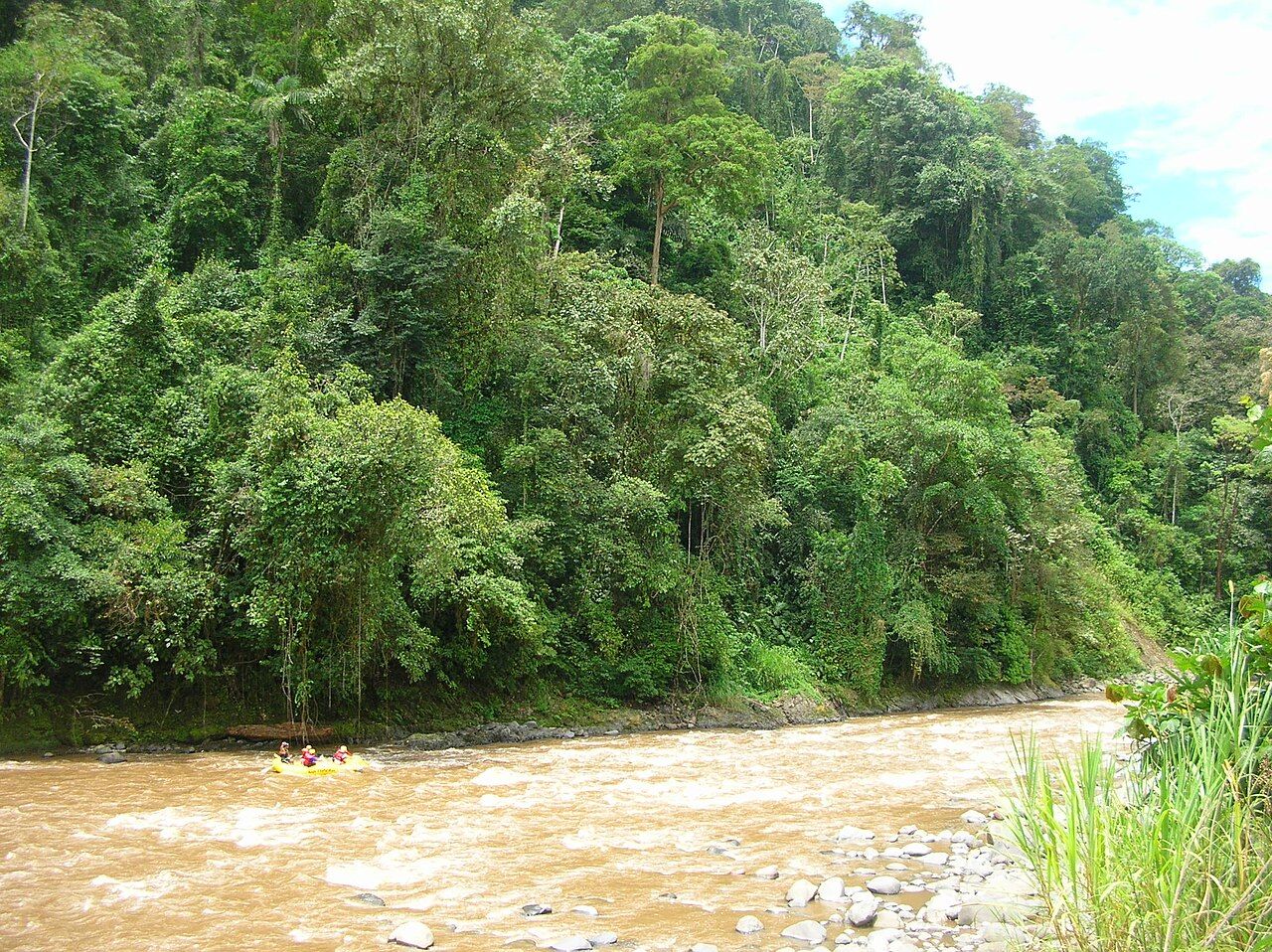
Much of the watershed is still forested, and parts of it are protected. Upstream, Cabécar communities live in Indigenous territories that are not tourist sites. If a trip passes near them, you are a visitor on their land: stay with the group, do not photograph people or homes without asking, and do not treat anyone's home as a backdrop.
Two-day trips split the river in half and spend the night at simple riverside camps reached only by water or long footpaths. The night sounds, frogs, insects and the steady roar of the river, are reason enough to consider the longer trip if you have time. It also means less rushing through the best rapids.
Safety, guides and the law
Commercial rafting in Costa Rica is regulated, and guides are expected to hold certification along with current first-aid and rescue training. Standards still vary, so choose by safety rather than by price or by how many extras a trip promises. Questions worth asking:
- Are the guides certified, and how long have they run this river?
- Does a safety kayaker or a second raft travel with each group?
- Are helmets and properly fitted life jackets provided and checked?
- Who decides to cancel when the water is high, and what happens then?
- Is there a first-aid kit and a way to call for help from the gorge?
On the water, the rules are simple and serious. Keep your helmet and life jacket on and tight the whole time. Hold the T-grip of your paddle so it cannot hit anyone in the face. If you fall in, float on your back with feet up and pointing downstream, and never try to stand in fast water: a foot trapped between rocks is one of the most dangerous things that can happen on a river. Swim toward the raft or the throw rope when the guide tells you to, and let them pull you in.
Sun is the most common problem on a long day.Leave jewellery, unprotected phones and anything you cannot afford to lose behind.
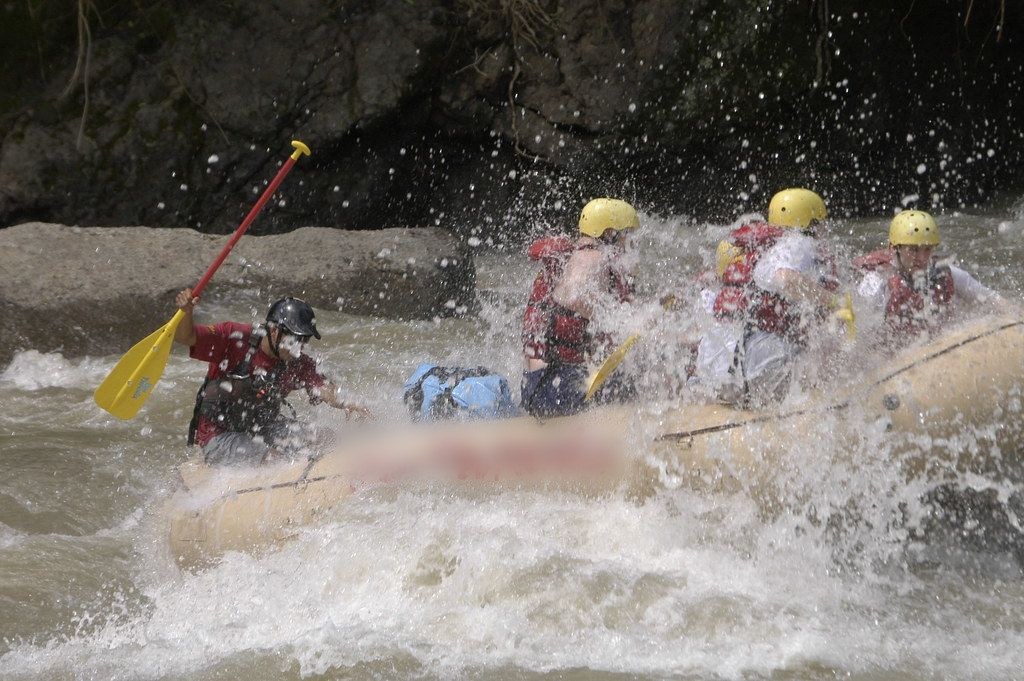
Once you push off, the river is the only way out.
The dam question
Costa Rica produces nearly all of its electricity from renewable sources, and much of that comes from hydropower. That success has put free-flowing rivers under pressure. Over the years, plans for a large hydroelectric dam on the Pacuare have come up more than once, and a reservoir would flood much of the gorge that rafters know.
Rafters, conservation groups and riverside communities have pushed back, arguing that the river is worth more running than stopped: for the forest, for local jobs and for the people who live in the watershed. For now the river runs free, but the debate has not gone away for good, and other Costa Rican rivers have been dammed. Visiting with respect, spending money locally and leaving no trace in the gorge are small ways to show that a wild river has value.
Planning a day on the river
Rafting runs all year. The Caribbean slope gets rain in every month, so levels rise and fall with the weather rather than a neat calendar, and the rainy months tend to bring bigger water and more cancellations. If you want something calmer first, the rivers around Sarapiquí offer gentler rapids in lowland forest.
Use the transport arranged with the trip rather than driving yourself: the access roads are steep and rough, and you will be tired afterwards. If you do drive, read up on roads and river crossings first. Pack a dry change of clothes for the ride back.
Wildlife on the river follows the same rules as anywhere: watch from the raft, do not feed anything, and carry every scrap of rubbish out of the gorge. Read up on watching wildlife without harming it before you travel.