
The wildest corner of the country
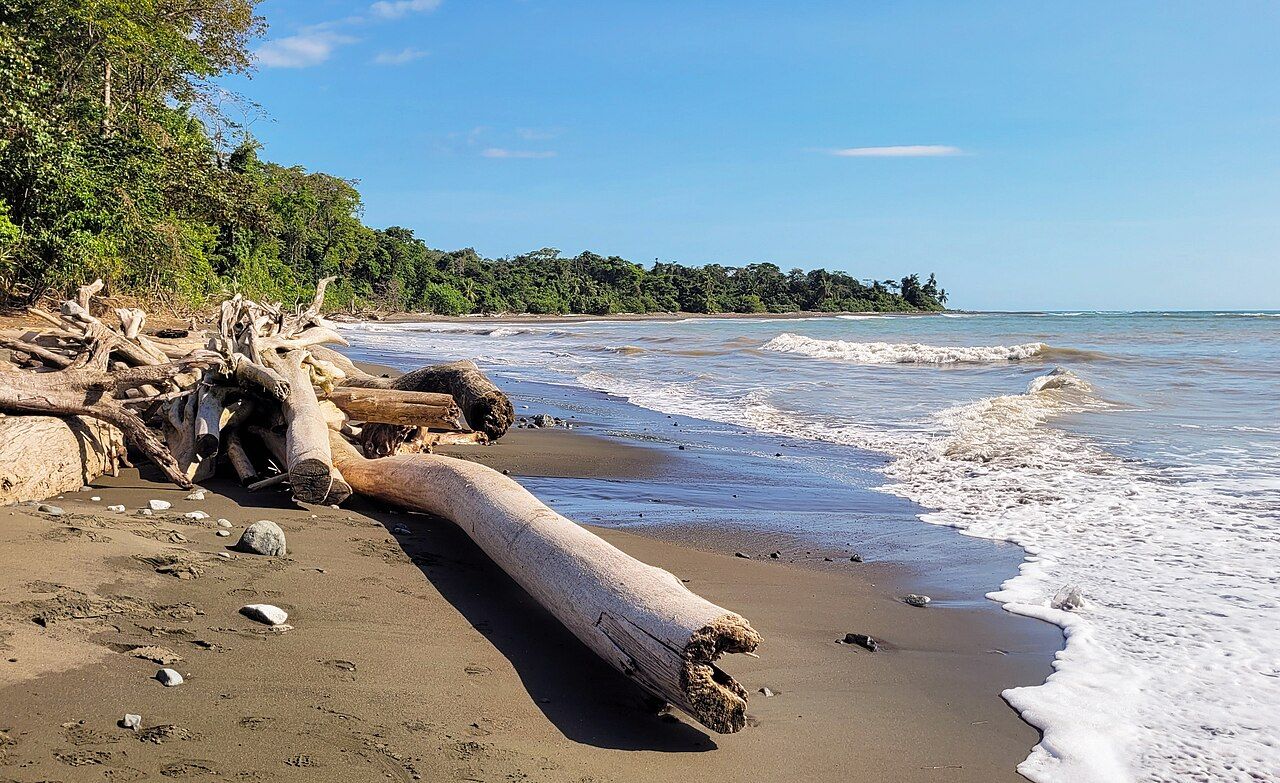
The Osa Peninsula juts into the Pacific in Costa Rica's far south, with the Golfo Dulce on one side and open ocean on the other. Much of it is covered by lowland rainforest, and the core of that forest is protected as Corcovado National Park. Here the trees are tall, the rivers run brown after rain, and long beaches stretch for kilometres without a building.
Corcovado is often described as one of the most biologically intense places on earth, and the claim holds up on the ground. All four of Costa Rica's monkey species live here, alongside tapirs, peccaries, anteaters, sloths and rare wild cats. Scarlet macaws are a common sight rather than a rare one.
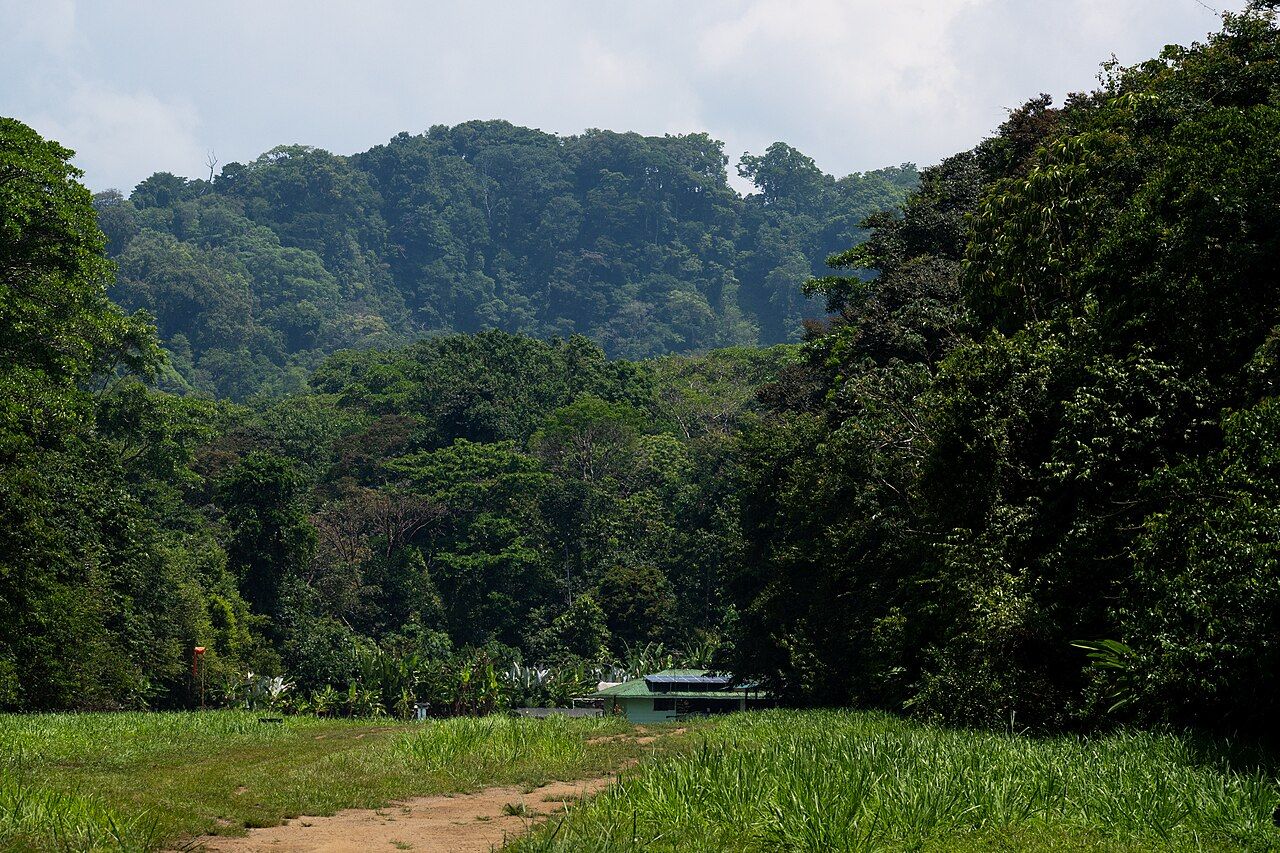
That wildness comes with distance and difficulty. There are no roads through the park, the heat and humidity are intense, and getting to the best areas means boats, long walks on sand or both.
Guides are required
Visitors to the park must enter with a certified guide, a rule that came in after years of hikers getting lost, injured or caught out by rivers and tides. Guides also help keep track of who is in the forest and spot wildlife you would walk straight past.
Entry is controlled by ranger stations, and visitor numbers are limited. Overnight stays inside the park need advance reservations, and the facilities and rules for them have changed over the years.
- Ask whether your guide is certified for the park and how often they work there.
- Agree on the route, the tides, and what happens if a river is too high to cross.
- Carry enough water and a way to treat more; streams are not safe to drink untreated.
Sirena and the trails in
The Sirena ranger station sits near the middle of the park's coast, close to a river mouth and a grassy airstrip, and it is the place most associated with Corcovado's wildlife. Tapirs graze near the station at dawn and dusk, monkeys move through the trees around it, and the river mouth is a place to watch for crocodiles and, at times, bull sharks.
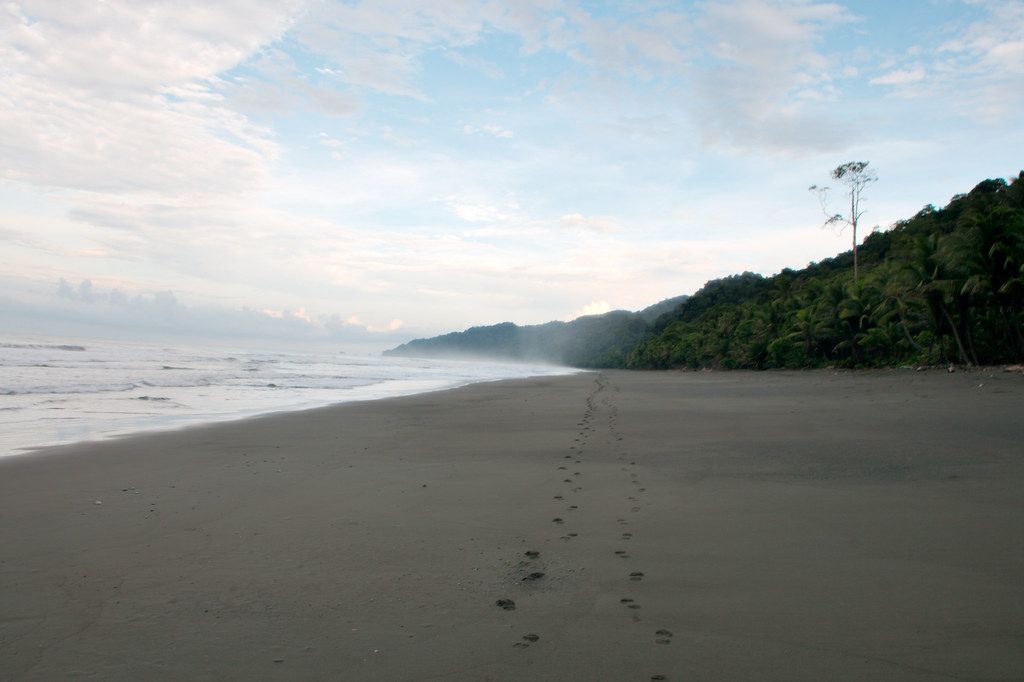
The classic approaches are long walks. From the south, routes run from the Carate area past La Leona along the beach and through coastal forest. From the north, walks start near San Pedrillo, closer to Drake Bay. Inland approaches exist as well. Each route crosses rivers whose depth depends on tide and rain, and sections of soft sand in full sun are tiring even for fit hikers. Boat transfers to and from Sirena also run when conditions allow.
The river mouths are where the real danger lies.
The river mouths are where the real danger lies. Crocodiles and sharks use them, and incoming tides can make a knee-deep crossing chest-deep in a short time. Cross with your guide, at the time they choose, and never swim in a river mouth.
Tapirs, macaws and peccaries
Baird's tapir, the largest land mammal in Central America, is one of the animals visitors most hope to see. Tapirs are mostly active at night and around dawn, and they are endangered, so keep well back, stay quiet and never block their path to water.
Scarlet macaws fly over the beaches in loud pairs, feeding in tall almond trees along the coast. Toucans, trogons and parrots are common. On the forest floor, look for coatis, agoutis and tamanduas. Squirrel monkeys, spider monkeys, howlers and white-faced capuchins share the canopy.
White-lipped peccaries move in large herds and can be dangerous if they feel threatened. If a herd approaches, follow your guide's instructions, back away and give the animals space. Snakes, including the fer-de-lance, are part of the forest; watch where you step, wear proper footwear and do not walk off trail or after dark without a guide.
Jaguars, pumas and ocelots live in Corcovado but are rarely seen. Tracks in the mud are more likely than a sighting, and that is fine. The forest is healthier when its predators stay wary of people.
Never feed animals, even the coatis and monkeys that hang around stations. Keep food sealed, and take every scrap of rubbish back out.
Drake Bay and the coast
Drake Bay, on the north side of the peninsula, is a small community of scattered houses on a quiet bay. Many visitors reach it by boat down the Sierpe River, through mangroves and out along the coast, a trip that depends on the state of the sea at the river mouth. A rough road also connects it with the rest of the country, and small planes serve a local airstrip.
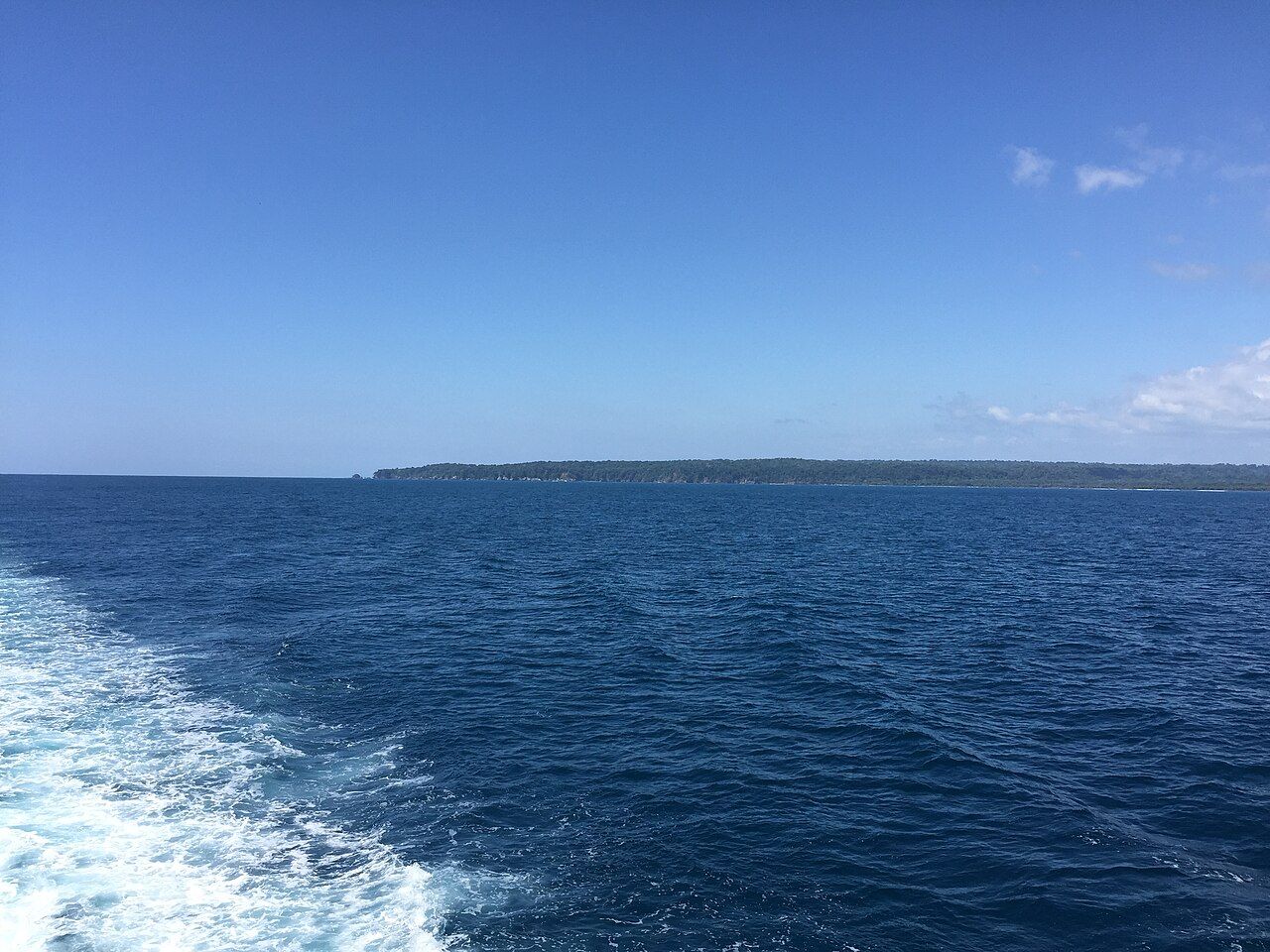
From Drake Bay, coastal trails link small beaches and river mouths, and boats run to the park's northern sector and to Caño Island Biological Reserve offshore, known for clear water and reef life. Whales and dolphins pass along this coast at certain times of year; boats should follow distance rules and never chase them.
On the other side of the peninsula, Puerto Jiménez sits on the Golfo Dulce and is the gateway to the southern routes. A rough road continues toward Carate, served by a shared truck, and fords rivers along the way.
The Golfo Dulce itself is worth time. Its calm, deep waters hold dolphins, and the forested shores around it are part of the same wider ecosystem as the park. Kayaking along the mangroves near Puerto Jiménez at high tide is a gentle way to see herons, kingfishers and crabs, and a good rest day between harder walks in the heat.
Planning and respect
The drier months, roughly December to April, are the easier time to visit, with lower rivers and firmer trails. The green season brings heavy rain, especially in the later months, when some sectors and services may close.
Heat is a serious risk. Start walking early, rest in the shade at midday, drink and eat salt regularly, and recognise the signs of heat exhaustion. Carry a headlamp for early starts, and protect electronics from humidity.
Pack light. On a multi-day walk you carry everything except what your guide arranges, and every extra kilo counts on soft sand in the heat. Sandals with straps handle river crossings better than boots, though many hikers bring both. Quick-drying long trousers and sleeves protect against insects and sun. Mobile signal is patchy or absent inside the park, so tell someone your plans and your expected return.
The Osa's forests survived gold mining, logging and hunting, and some of those pressures continue at the edges. Visiting with certified local guides and spending your money in local communities helps make the forest worth more standing than cut. For more context before you go, read up on watching wildlife without harming it and on the green and dry seasons.