
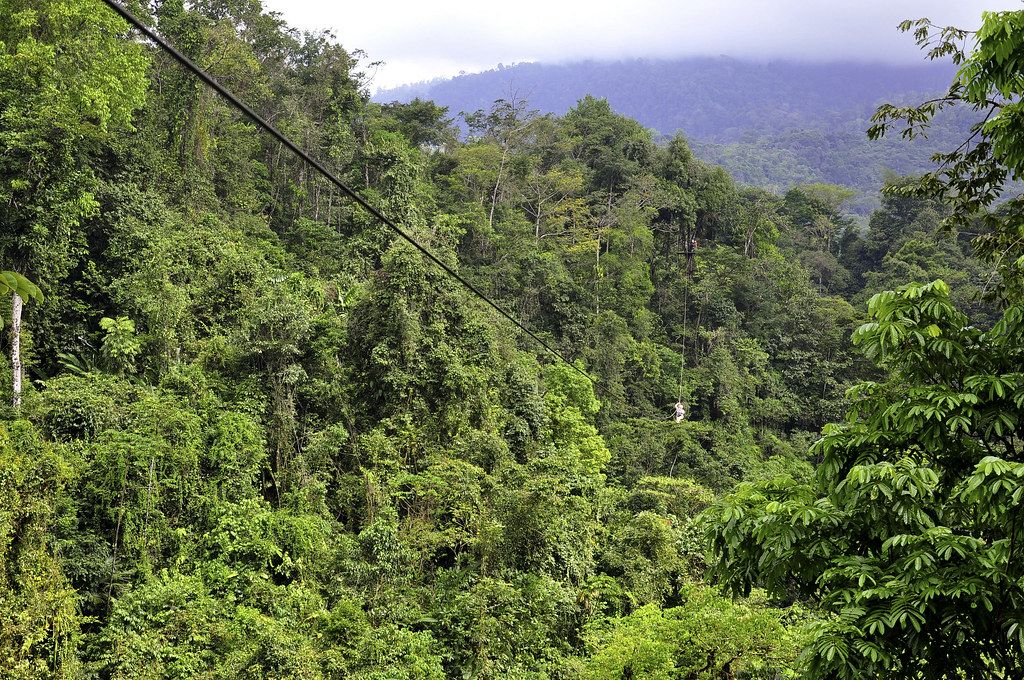
Gliding over a valley on a steel cable is one of the most popular things visitors do in Costa Rica, and canopy tours operate in almost every forested region, from the cloud forests of the highlands to the coasts. They are fun and usually safe, but safety is not automatic. A few plain questions, a careful look at the gear and an honest sense of your own limits make a big difference.
What a canopy tour is
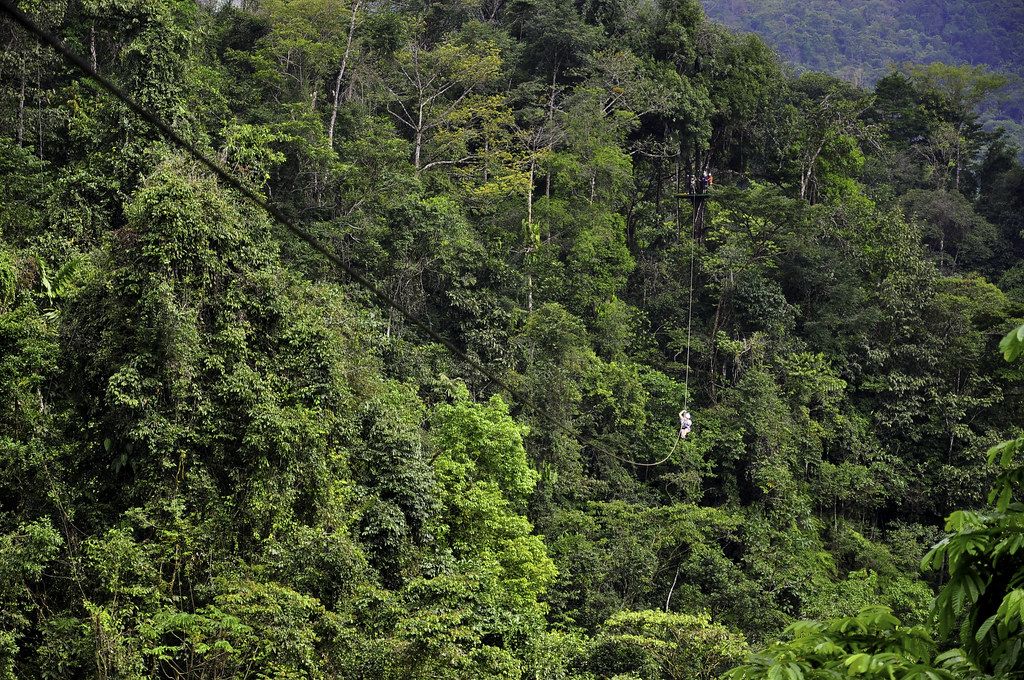
A typical tour strings a series of cables between platforms in trees or on towers, sometimes high above valleys and rivers. You wear a harness, helmet and gloves, clip a trolley to each cable and slide from one platform to the next. Many tours add extras: a rappel down from the last platform, a swing from a tower, or a long cable ridden lying face down. Each extra is another thing to judge on its own.
The ride itself takes seconds per cable. The rest of the time is spent on platforms, in queues and in the briefing, and the quality of those parts often tells you most about the operation.
Courses vary a great deal. Some have a handful of short lines through the trees; others run long cables across deep valleys, with the ground far below and real speed on the way across. Ask how many cables there are, how long and high the longest is, and how long the whole tour takes, so you know what you are signing up for.
How to judge safety without names
You cannot inspect a cable yourself, but you can watch how the place behaves. Good signs include a full briefing with practice on a low line, staff who check every harness and helmet by hand, and a system that keeps you clipped to a cable or safety line at all times, including on platforms. Ask whether the course has a backup attachment as well as the main trolley, and how braking works: some systems brake automatically, others rely on staff or on you pulling a gloved hand on the cable.
Ask too whether the operation holds current official tourism registration and insurance, and how often the cables and harnesses are inspected. A confident, specific answer is reassuring; vagueness is not. Look at the condition of the gear in your hands. Frayed straps, cracked helmets or mismatched equipment are reasons to step back.
Pay attention to staff numbers and attitude. There should be guides at both ends of each cable, and they should be checking clips rather than chatting. If anything feels rushed or careless, you can leave before the first cable. That is not rude; it is sensible.
Weight, age and health limits
Most courses set minimum and maximum weights for riders, and many have a minimum age; children below it may be allowed to ride in tandem with a guide. The limits exist because braking and harness fit depend on them, so do not shave a few kilograms off your real weight.
Zip lines put strain on the back and neck and involve sudden stops. People who are pregnant, have recent injuries, heart conditions or serious back or neck problems should skip them or take medical advice first. Heights are a real fear for many people; there is no shame in sitting one out and watching from the ground.
Tell staff honestly about any fear, injury or medical condition at the start. A good crew adjusts, pairs a nervous rider with a guide or shows the way back to the ground, rather than pushing.
Weather and lightning
Steel cables on high towers and lightning do not mix. Responsible operators stop the lines when a storm comes near and wait it out, even with people halfway round the course. Rain also changes braking distances and makes platforms slippery. If you are choosing a time, the morning is usually drier and calmer, especially in the green season; see green season and dry season for the pattern.
Wind is another factor in the cloud forest, where gusts across exposed ridges can slow you down or stop you short of the platform. Learn in the briefing what to do if you stop mid-cable: usually turn to face the platform and pull yourself in hand over hand, or wait for a guide.
Bridges, towers and quieter options
Zip lines are fast and noisy, which means you see very little wildlife from them. If what you want is the canopy itself, hanging bridges are a better choice. Networks of suspended walkways carry you through the mid-levels and tops of the trees at walking pace, so you can stop, look and listen. They are common in the cloud forest and around Arenal Volcano and the lake.
Observation towers and raised platforms in reserves offer a similar view. Early morning is the best time on any of them, when birds feed in the treetops: tanagers, toucans, trogons and, in the highlands, perhaps a quetzal. Binoculars matter more than a camera, and looking for movement rather than colour is the trick. Lowland reserves near Sarapiquí also have trails and towers suited to birders.
Respecting the forest around the cables
Canopy courses run through habitat. Keep noise down between rides, never throw anything from a platform, and do not try to touch branches, bromeliads or animals as you pass. If a guide offers to show you a sloth or a snake up close by handling it, decline; why that matters is set out in watching wildlife without harming it.
Choose the experience that suits you: the cables for the rush, the bridges for the forest. Many people find that one morning of each is the right balance.