
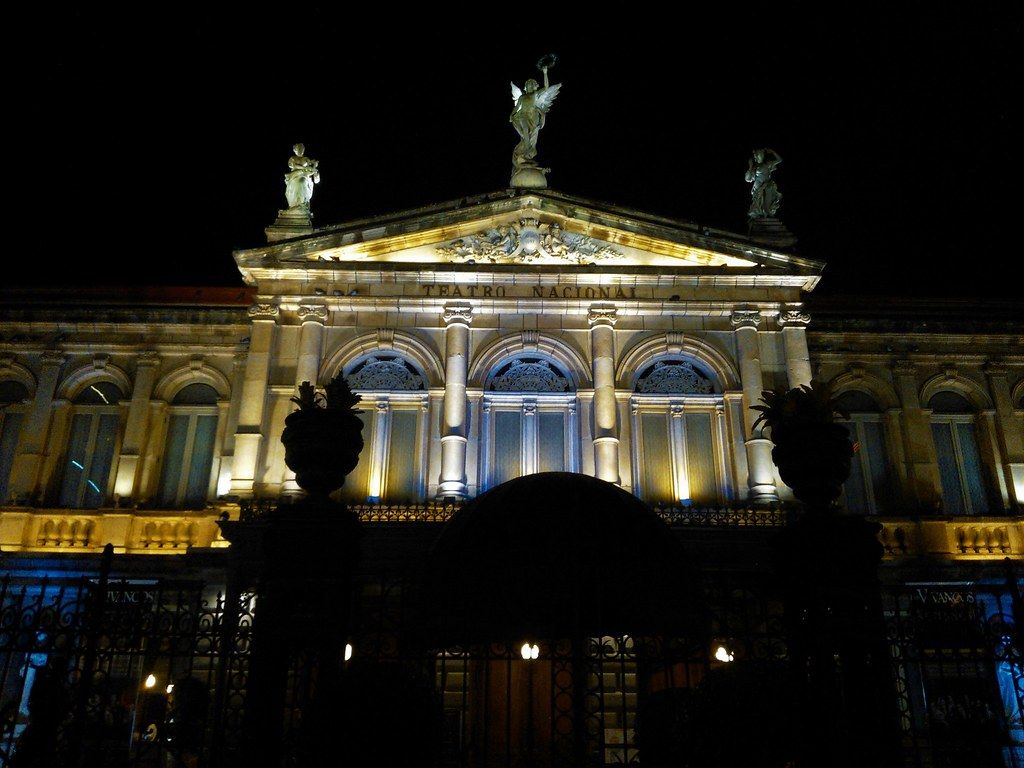
San José sits in the Central Valley at a little over 1,100 metres, which gives it a mild, spring-like climate all year. Many travellers treat it as somewhere to sleep between the airport and the mountains, and that is understandable: the traffic is heavy and the centre is more practical than pretty. But a day here fills in a lot of the country's story, and nearly every road and bus line starts in the capital.
Gold, jade and the national story
Beneath the Plaza de la Cultura, in the heart of the city, the pre-Columbian gold museum shows hundreds of cast and hammered pieces made by the peoples who lived here before the Spanish arrived: frogs, birds, crocodiles, shamans and pendants of startling detail. A short walk away, the jade museum displays carved jade, ceramics and stone work in a modern building near the Plaza de la Democracia.
The gold museum shares its underground space with a collection of coins and banknotes, which traces the country's money from colonial times to the present and makes a quick, curious detour.
The National Museum occupies the old Bellavista barracks, a yellow fortress whose walls still show bullet marks from the brief civil war of 1948. Costa Rica abolished its army soon afterwards, and the barracks became a museum, which is a neat summary of a choice the country still takes pride in. Inside are archaeology, colonial history and a garden of butterflies.

The National Theatre
The National Theatre, opened in the late 1890s, was paid for in part by a tax on coffee exports, and it shows what that crop meant to the country. The neoclassical facade faces the plaza, and inside are marble stairs, gilded detail and painted ceilings, including a famous allegory of coffee and bananas. Guided visits run on many days, and performances, from orchestras to dance, still fill the hall. Its café on the ground floor is a calm place to sit away from the street noise.
Even if you do not catch a show, the building rewards a few minutes in the lobby. The light, the marble and the painted panels say a great deal about how the coffee boom changed the city.
A day in the centre
The main sights sit within walking distance of each other, so a single day covers a lot. Start at the Central Market for breakfast when the stalls open, walk east along the pedestrian stretch of Avenida Central to the Plaza de la Cultura, and spend the late morning underground with the gold. After lunch, visit the theatre, then continue to the National Museum and the jade collection in the afternoon, when rain tends to arrive.
Sundays are quieter, with fewer cars and many shops shut, and some museums keep shorter hours or close on certain days. Plan around opening days rather than assuming everything is open.
The Central Market and the streets around it
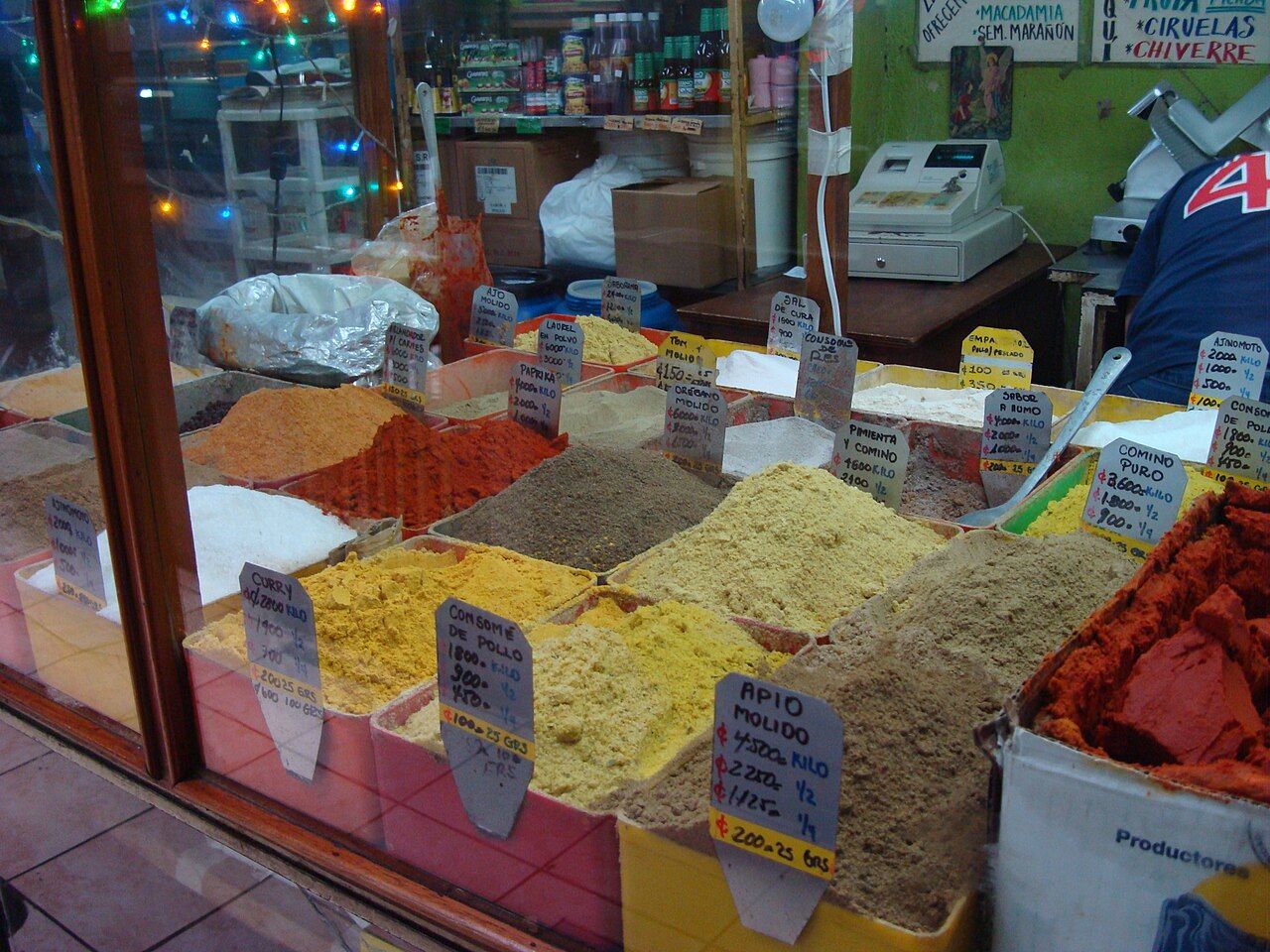
The Central Market, a covered block of narrow lanes dating from the late nineteenth century, is the city at its busiest. Stalls sell coffee, spices, herbs, leather, hammocks, cheese and fresh fruit, and the small counter kitchens known as sodas serve rice and beans, soups and casados to workers at lunchtime. Go hungry, point at what looks good and sit where there is space.
It is also crowded, and pickpockets work crowds. Keep bags zipped and in front of you, carry little cash and leave valuables behind. The same applies at bus terminals and on the pedestrian streets nearby.
When you need quiet, the old neighbourhoods of Barrio Amón and Barrio Escalante have tree-lined streets, early twentieth-century houses and a slower pace, and La Sabana park, on the site of the city's first airport, is a big green space for a run or a picnic.
Practical city sense
The main international airport lies near Alajuela, to the west, and many travellers sleep near it on the first or last night. Official city taxis are red with a yellow triangle on the door, and airport taxis are a different colour; use a marked taxi, ask for the meter.
Walking is the best way around the centre in daylight. After dark, stick to busier streets or take a taxi. Afternoon rain is common in the green months, so carry an umbrella and plan museums for the wet hours.
Getting out of the city
Buses leave San José for almost every corner of the country, but there is no single central station. Different companies run from different terminals scattered around the centre, sorted roughly by direction: one area for the Caribbean, another for the Pacific coast, others for the north and south. Find out which terminal serves your route the day before, and arrive early for popular departures. The guide to driving and buses covers the system and the main roads.
Leaving by car, start before the morning rush or after it; traffic on the main exits backs up badly at peak times.
Within a morning's reach lie the crater rims of the Central Valley, the coffee country of the Orosi valley and the steep, wet forest of Braulio Carrillo on the highway to the Caribbean. Rafting trips to the Pacuare and other rivers often start from the capital with an early pickup.
A good rhythm is one full day in the city at the start of a trip, when you are fresh and the museums add context to everything that follows, and a quiet last night near the airport at the end.